Bhutan: on connection

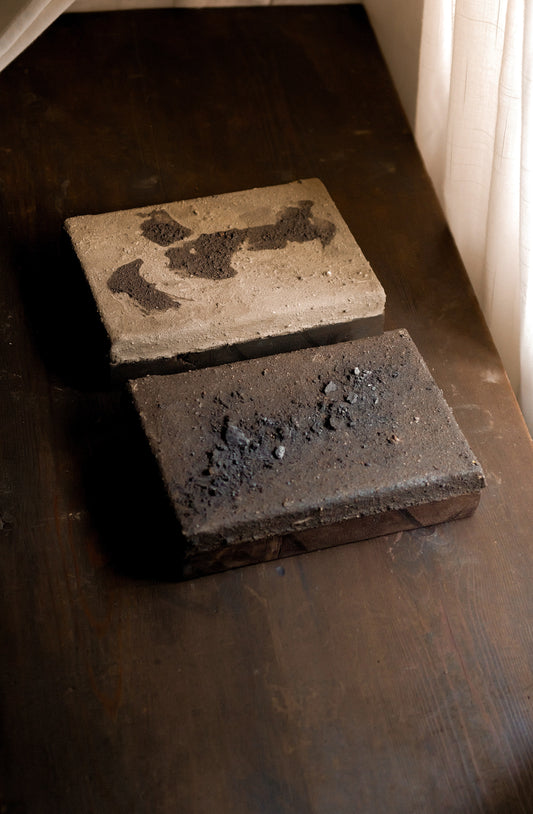
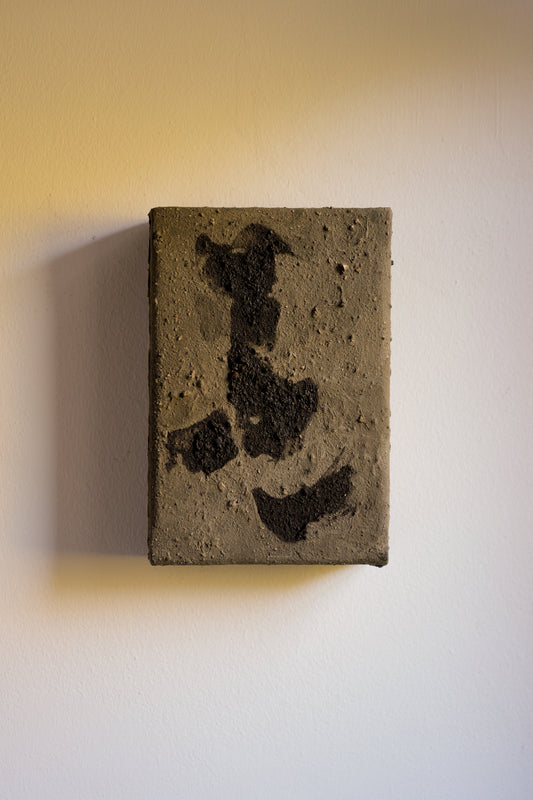
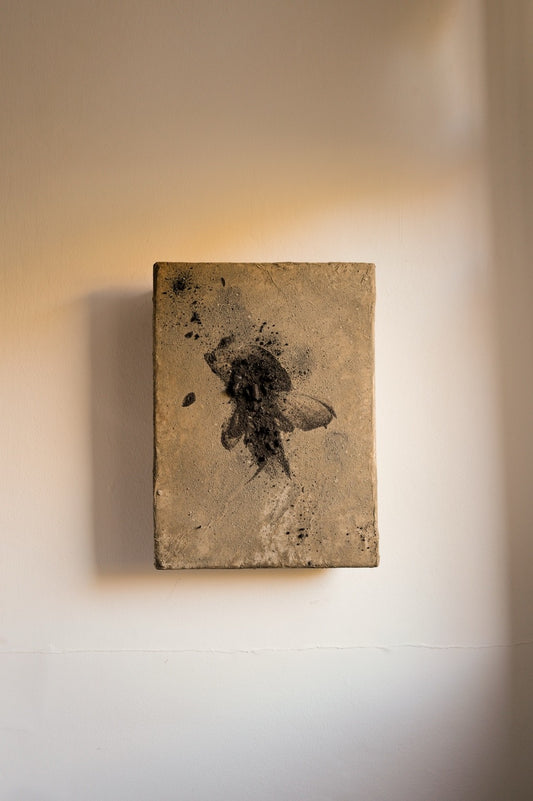
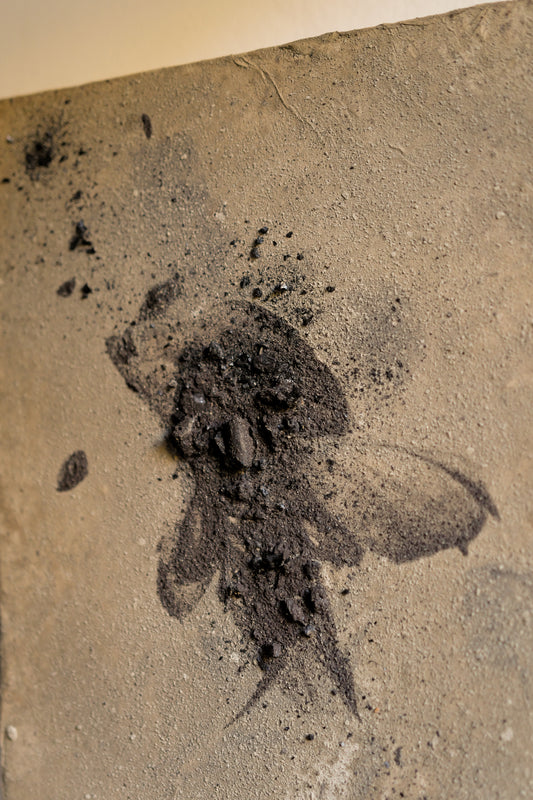
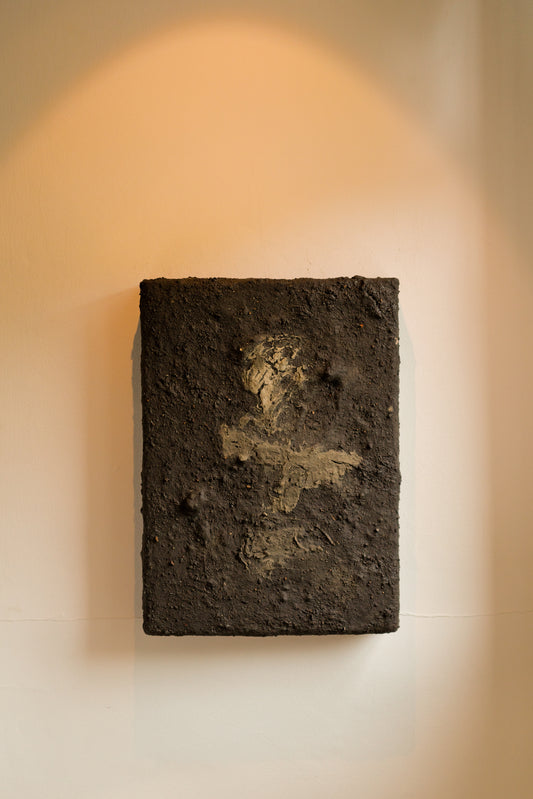
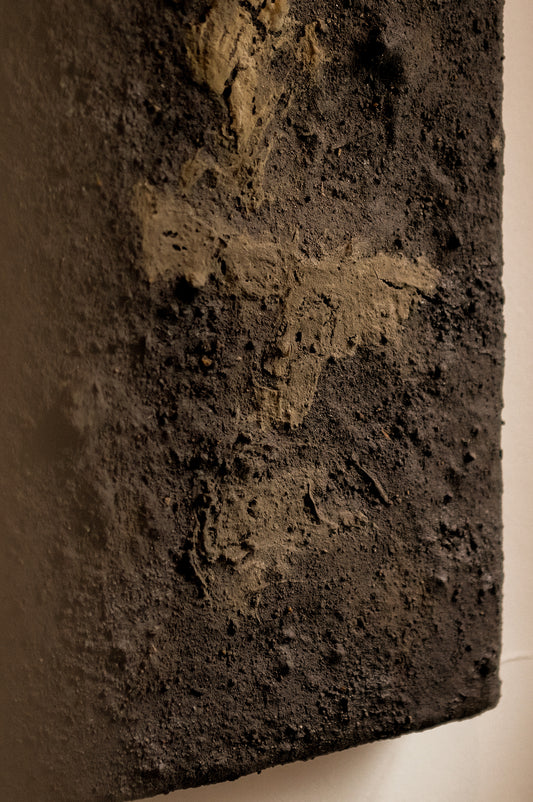
We are currently deep in the process of creating an Earth Painting series that is close to our hearts: an Earth Painting series crafted from rocks, minerals, pigments and raw materials from the Himalayan Kingdom of Bhutan.
There is much to share about my journey into the heart of this land. Into its different regions with its versatile valleys and natural environments. Into all the various temples and places of worship. Spending time travelling the country, getting to know the people, their way of life and their culture through sharing with them their local food. Sleeping in farmhouses, hiking the incredibly beautiful and biodiverse natural world and sharing moments of spiritual connection, all the while collecting tiny memories in the forms of rocks and minerals.
You may know Bhutan as the happiest place on Earth. It’s the world’s first carbon-negative country, absorbing more carbon dioxide than it emits through its expansive forests that sequester over 6 million tonnes of carbon annually. Bhutan’s conservation efforts dictate that, by law, it is compulsory to have at least 60% of tree cover across the country at all times. And this is not the only part of nature that is protected in Bhutan. Travelling there, it quickly became apparent to me that it is forbidden to go for a swim or fish in their pristine, sacred rivers. It is forbidden to slaughter animals and cutting down a tree is heavily regulated, requiring official permission from local forest rangers. Whilst Bhutan sits on top of some the richest collections of rare minerals and metals, all mining activities must align with their Gross National Happiness Index. This means they must ensure that economic growth does not compromise their natural environments and ecosystems.


These choices and realities may seem utopian and, admittedly, they likely work because Bhutan has a low population density and a vast, rich natural landscape. But I refuse to believe these are the only reasons why, in Bhutanese life, man is not at the centre of society. This respect and recognition of the importance of all the elements, and of the natural order of life is embodied in the way they treat each other and in the way they make you feel as a guest. I have never visited a place that is more hospitable, respectful and reverential to all than Bhutan. And I can see that the way people treat each other and their guests, as well as how they treat nature, is closely intertwined with their religious and spiritual history.
Bhutan’s religious and spiritual history is, in modern times, predominantly dictated by Buddhism – specifically the Vajrayana stream of Buddhism. Key central figures such as Padmasambhava, or Guru Rinpoche, as well as Shabdrung Ngawang Namgyal and of course Buddha Shakyamuni are widely and profoundly revered. People partake in many rituals, ceremonies and various acts of service throughout the year to ensure auspiciousness, protection, long health and wellbeing for all. They make the journey across the entirety of Bhutan to get to its capital, Thimpu, in order to pay their respects and deliver their contributions to religious festivals and activities in person. No costs or effort is saved for this and, most impressively, it is all done with an effort of reverence and spiritual dedication as well as willingness and ease. People are not concerned with the fact that it takes them a full day of driving (sometimes more!) to come and ‘pay’ for something. And, in the same spirit, they do not regard a tree as just a tree or a river or lake as just a collection of water. Preceding their modern Buddhist religion, and in parts of the country still followed exclusively by some Bhutanese people, is the Bon religion. It is, for me, of course impossible to give you a complete and correct definition of this religion that does it justice – but the way I understood and experienced it is as follows: the Bon religion has its roots in shamanism and animism and is the indigenous, pre-Buddhism religion of Bhutan. What sets it apart from Buddhism is the core belief that natural elements, like specific mountains, trees, rivers and lakes, are sacred to and inhabited by deities. Everything, everyone and every part of the environment – animals, plants, mountains, rivers, lakes, trees, and so on, is therefore seen as a vital and highly important part of the collective. This encourages respect for and a deep connection with the natural world and the animal kingdom.


To me, experiencing life this way seemed so different to the way we engage with nature, religion and community in Europe. I am, of course, only speaking from personal experience and observation and do not wish to generalise my perceptions of society, religion and spirituality here. But religion, worship and reverence hold such a central place within Bhutan, that, simply immersing yourself in the culture and life of the Bhutanese seems to effortlessly unlock and bring out these values, behaviours and qualities within you. It’s almost as natural as water that finds its way downhill. It just happens. No effort required. It is this ease and calmness, where ‘doing’ and ‘being’ coexist and flow from the same well, that makes being there such an effortless and deeply transformative experience. Spending time there in meditation makes you feel and realise we are all connected. We are not separate from the pines and abundant trees that grow everywhere. From the birds and animals that inhabit the land. From the sacred soil, rocks and minerals and from the rich and healing rivers and lakes. We are all responsible for the well-being of all beings.
For these reasons, we are deeply grateful to have received the permission of the respectful landowners across various parts of the country to collect and gather rocks, mineral, pieces of wood and other raw materials for our Earth Painting practice. Besides that, and even though we are geographically remote now, we continue to work closely together with our friends in Bhutan – and are supporting them by investing in their businesses. We were not allowed to take raw matter or soil across the border, and we did not want to take the risk with ochres. It is with great joy that we are currently awaiting a shipment from local Bhutanese artists who have kindly found sustainably sourced ochres, handmade paper made from the inner bark of the Daphne tree and Edgeworthia (Mitsumata) bush as well as locally crafted brushes and art supplies. In line with this story and the development of our series, this feels ‘full circle’ to us.
When crossing the bridge from feeling into ‘reasoning’, it is easy to see the parallels and spot the connections between our Earth Painting practices and the things I’ve just written about in Bhutan. Bhutan cares deeply about its natural environment. They put a lot of resources, financially as well as energetically, in the conservation of traditional architecture and craft – not limited to, but including – woodworking and working with natural ochres, dyes and pigments in their interiors and house building. They make their own paper by hand and everyone wears national dress. The king wears the same kind of dress as the bus driver, tourist guide, carpenter and shop owner. They care about connection and shared presence.
These are things we aspire to within our art practice and it is around much of the same values that our Earth Painting reality revolves; reciprocity with, connection to and reverence of other human beings and the natural world being some of the most important ones. Because, to us, it is ultimately the people we meet and get to know and the connection we build with them and the environment that gives us a deep feeling of fortune and richness.
As my dear friends in Bhutan said to me on our parting of ways: you will always have a home here in Bhutan and we look forward to seeing you again. Bhutan will always have a special home within our hearts and, through this Earth Painting series, we are happy to offer you the opportunity to have a piece of Bhutan’s heart in your home.
With love,
Huub